
Summarize with AI
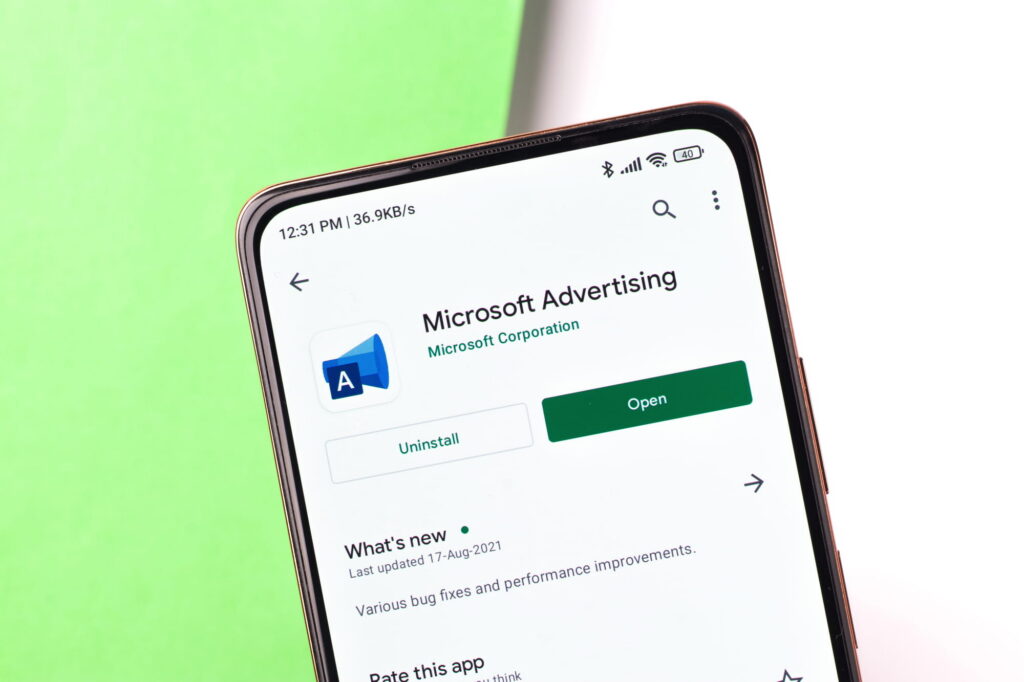
Most small businesses advertising online default to Google Ads and call it a day. That’s a reasonable starting point. Google dominates search volume, and if your campaigns are working, staying focused makes sense. But a lot of businesses dismiss Microsoft Ads without much consideration, and in certain situations, that means leaving real leads behind.
Microsoft Ads runs on Bing, Yahoo, and a network of partner sites. The audience is smaller than Google’s, no question. But smaller doesn’t mean irrelevant. The platform has its own demographic patterns and cost dynamics that can work in your favor, especially if your goal is lead generation rather than e-commerce.
Here’s a practical look at who benefits most, how to keep things simple, and how to evaluate whether it’s actually working.
Who Should Actually Consider Microsoft Ads
Not every business is a good fit, and it’s worth being straightforward about that before you invest any time or budget.
Microsoft Ads tends to perform well for:
- B2B service businesses. Microsoft’s audience skews older, more professional, and higher-income than Google’s. If you’re selling a service to business decision-makers, that demographic profile is worth taking seriously.
- Local service businesses in competitive Google markets. If your Google Ads cost-per-click is high due to heavy local competition, Microsoft can offer a lower-cost path to similar search queries. Fewer advertisers bidding generally means cheaper clicks.
- Businesses with an established Google Ads account. The import tool lets you bring your campaigns over without rebuilding from scratch. If you have a well-structured Google account already, setup takes a fraction of the time.
Who might want to hold off: businesses with no PPC experience yet, or those targeting a very narrow niche with minimal search volume across any platform. Build a solid foundation on Google first before expanding.
What “Running It Lean” Means
Running Microsoft Ads lean doesn’t mean cutting corners. It means being intentional about scope from day one.
The most common mistake is importing everything from Google and treating Microsoft Ads as an exact mirror account. That approach doubles your management workload without necessarily delivering proportional results.
A lean approach looks like this:
- Start with a focused subset of your best-performing Google campaigns, not the full account
- Set a modest daily budget and gather data before increasing spend
- Resist the urge to replicate every campaign and ad group right away
The goal at this stage is to confirm the platform can generate leads at an acceptable cost. You grow from there based on what the numbers show.
How to Create a Simple Structure
Start with Your Best-Performing Google Campaigns
Import selectively. Look at which Google campaigns drive the most leads at the lowest cost and start with those. High-intent, bottom-of-funnel keywords are the right entry point. Brand campaigns are also worth importing early since they’re typically inexpensive and protect your name on an additional search network.
Keep Ad Groups Tight
One theme per ad group. It’s tempting to consolidate to save time, but blending keyword themes into a single ad group makes it harder to read performance data later. A clean structure now means easier decisions down the road.
Use Responsive Search Ads
RSAs work the same way in Microsoft Ads as they do in Google. Provide a solid set of headlines and descriptions, at least eight to ten headlines and three to four descriptions, and let the platform find what works. Don’t over-engineer the creative at this stage. Get something solid live and refine from there.
Early Optimization Priorities
Once campaigns are running, a few areas deserve attention right away.
Search term reports. Microsoft’s network can pull in unexpected queries, particularly from partner sites. Review your search term report in the first few weeks and add negatives as needed. This is one of the most efficient ways to protect your budget early.
Device performance. Microsoft’s audience skews heavily toward desktop compared to Google. Check how your spend is splitting between desktop and mobile, and consider adjusting device bid modifiers if mobile is underperforming.
Day and hour data. After a few weeks of data, look at when leads are actually coming in. Tightening your schedule around your best-performing windows is a simple way to stretch your budget further.
LinkedIn profile targeting for B2B. Because Microsoft owns LinkedIn, you can layer LinkedIn profile data such as company, job function, and industry onto your search campaigns. For B2B businesses, this is a meaningful targeting advantage that Google simply doesn’t offer.
How to Evaluate Performance Without Over-Investing
Give the platform enough runway before drawing conclusions. A handful of days isn’t enough. A four-to-six week window with consistent spend gives you something meaningful to work with.
The key metrics to watch:
- Cost per lead. This is your primary benchmark. Compare it to your Google cost per lead, but keep in mind that volume on Microsoft will likely be lower, so the comparison requires some context.
- Lead quality. A cheaper lead that doesn’t convert is still wasted spend. Check whether Microsoft leads are closing at a rate comparable to your other sources.
- Impression share. Low impression share may point to a budget or bid issue. High impression share with modest volume reflects the platform’s smaller audience, not a campaign problem.
The decision comes down to this: if cost per lead is within an acceptable range after a fair test period, give it more budget. If it isn’t, dig into why before spending more.
Key Takeaways
- Microsoft Ads tends to work best for B2B service businesses and local service companies facing heavy Google competition.
- Start lean: import your best-performing Google campaigns, set a modest budget, and avoid building a full mirror account from day one.
- Keep ad groups tight, use RSAs, and give the platform enough creative options to optimize.
- Review search term reports early and often to protect your budget from low-quality traffic.
- LinkedIn profile targeting is a meaningful B2B advantage worth exploring.
- Evaluate over four to six weeks using cost per lead and lead quality as your main benchmarks.
Build a Complete Digital Advertising Program with the PPC Experts at Pink Dog Digital
At Pink Dog Digital, we specialize in helping businesses craft fully integrated digital strategies that don’t just attract attention: they drive results. From boosting visibility with social and search to closing sales, we know what it takes to build a funnel that converts.
Some of our services include:
- Digital Advertising
- Social Media Management
- Content Creation
- Search Engine Optimization (SEO)
- Web Design
Contact us at 410-696-3305 or email us at [email protected] for any inquiries or to book a service. You can also fill out our online Contact Us form or visit our website to learn more about us.