
Summarize with AI
Geofencing is a type of location-based advertising that draws a virtual boundary around a real-world place and shows ads to mobile devices inside it. If you run a local business, an ad rep or a competitor has probably brought it up already. The term gets used loosely, so here’s what it means and where it fits.
What Geofencing Means in Plain Terms
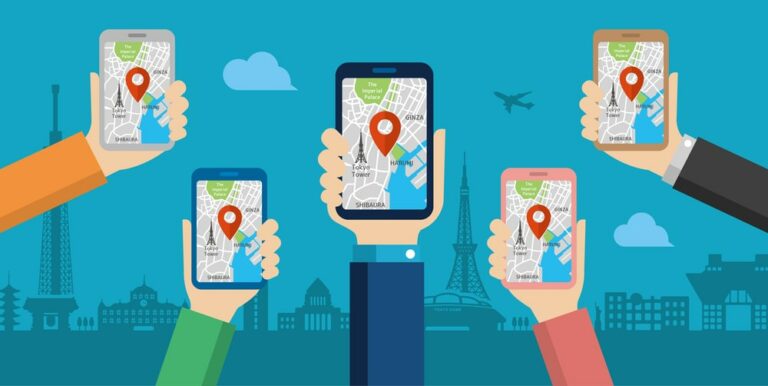
A geofence is a digital perimeter on a map. When a smartphone enters that area, it can become eligible to receive your ads, as long as location services are on and the user has allowed an app to use their location.
Common places to fence include:
- Your own storefront, to reach people already nearby
- A competitor’s store or showroom
- Event venues, stadiums, and trade show halls
Where Geofenced Ads Show Up
Most geofenced ads appear as display ads inside mobile apps and on mobile websites. Depending on the platform, people may see them while they’re inside the fence or in the days after they leave.
Push notifications require the business to have its own app and the user to opt in, so for most small businesses, geofencing means display advertising.
Our guide to how geofence marketing works covers campaign setup and measurement.
Geofencing vs. Geotargeting
Geotargeting reaches people across a broad area, such as a city, a ZIP code, or a radius around your business. Geofencing is tighter, tied to a specific place and moment.
Say you own a restaurant in Fells Point. Geotargeting would show your ads to people across Baltimore. Geofencing would show them to people at a concert venue down the street on a Friday night.
Standard location targeting in Google Ads, including radius targeting, works more like geotargeting. True geofencing typically runs through programmatic display platforms.
Is Geofencing Right for Your Business?
Geofencing tends to work best for businesses tied to a physical location or event, like retailers, restaurants, dealerships, and trade show exhibitors.
However, it does have limits. Reach depends on location permissions, and privacy settings on newer phones have shrunk the pool of devices advertisers can target. A small fence also means a small audience, which can make results slow to build.
That’s why we treat geofencing as one piece of a broader strategy. It pairs well with search ads, which catch people actively looking, and social media, which keeps your name familiar between visits.
Key Takeaways
- For most small businesses, geofencing means display ads shown in apps and on mobile sites.
- Geotargeting covers broad areas, while geofencing focuses on specific places and moments.
- It works best alongside search and social, with realistic expectations about audience size.
Work With Pink Dog Digital to Strengthen Your Digital Marketing Strategy
If geofencing is on your radar, we can help you decide whether it’s worth the budget. Our team builds every strategy around your goals.
Our services include:
- Digital advertising
- Social media management
- Content creation
- Search engine optimization
- Generative engine optimization (GEO)
- Web design
Call us at 410-696-3305, email [email protected], or contact us through our website.